For many NDIS participants, having the right support at home can make a major difference to everyday independence, confidence and quality of life. Supported independent living is an NDIS home and living support designed for people who need significant help or supervision with daily activities in their home. With the right SIL provider, participants can receive personalised assistance while continuing to build practical skills, make choices and take greater control over daily life.
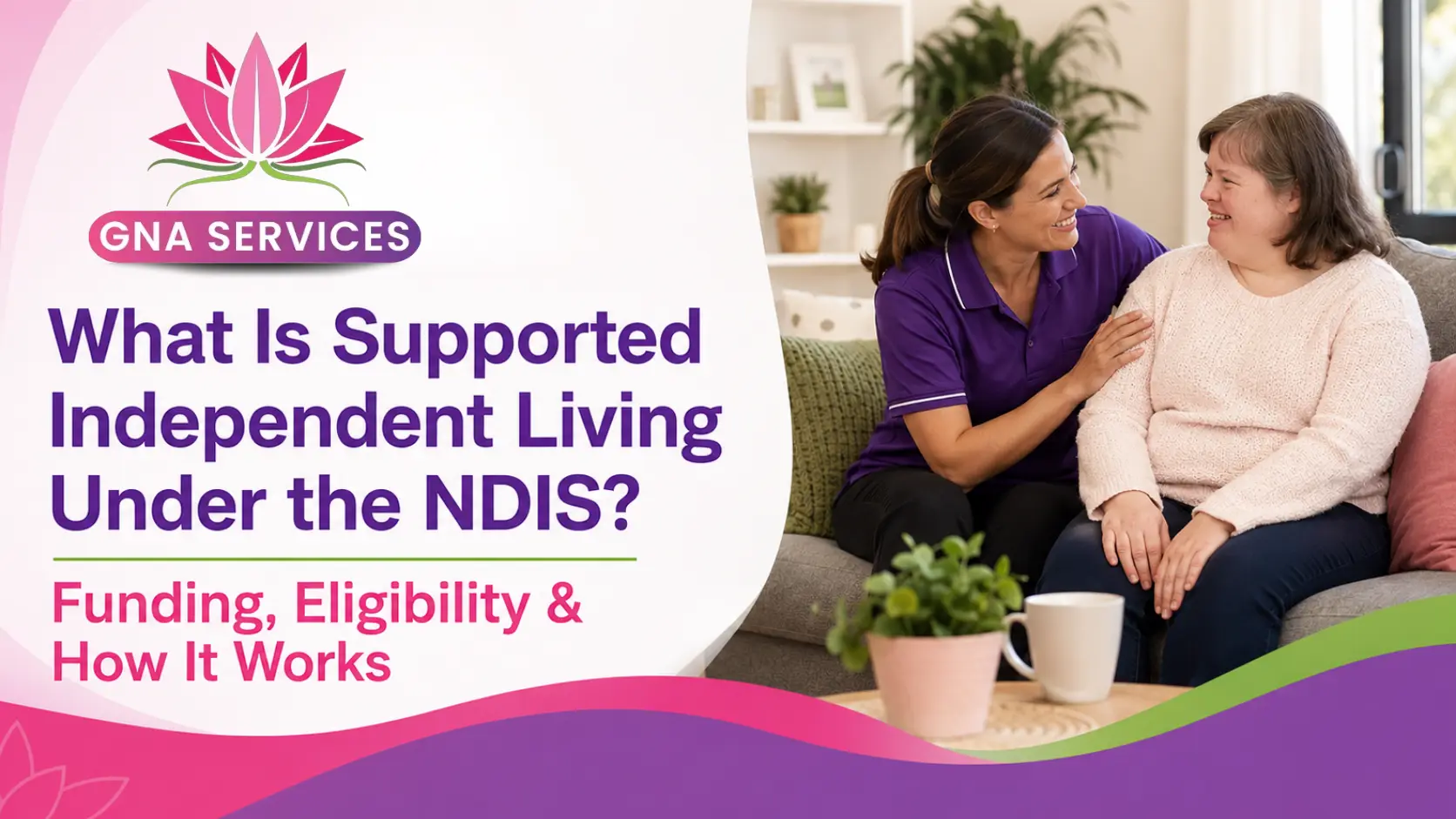
What Is Supported Independent Living Under the NDIS?
Supported independent living, commonly called SIL, is funding for support workers who help or supervise eligible NDIS participants at home. Depending on a participant’s disability-related needs, support may be available throughout the day and overnight.
The support can be shared with other NDIS participants in the same home or delivered individually where appropriate. Importantly, SIL is about the support a person receives rather than the property itself. This distinction helps participants and families understand how SIL differs from other NDIS home and living options.
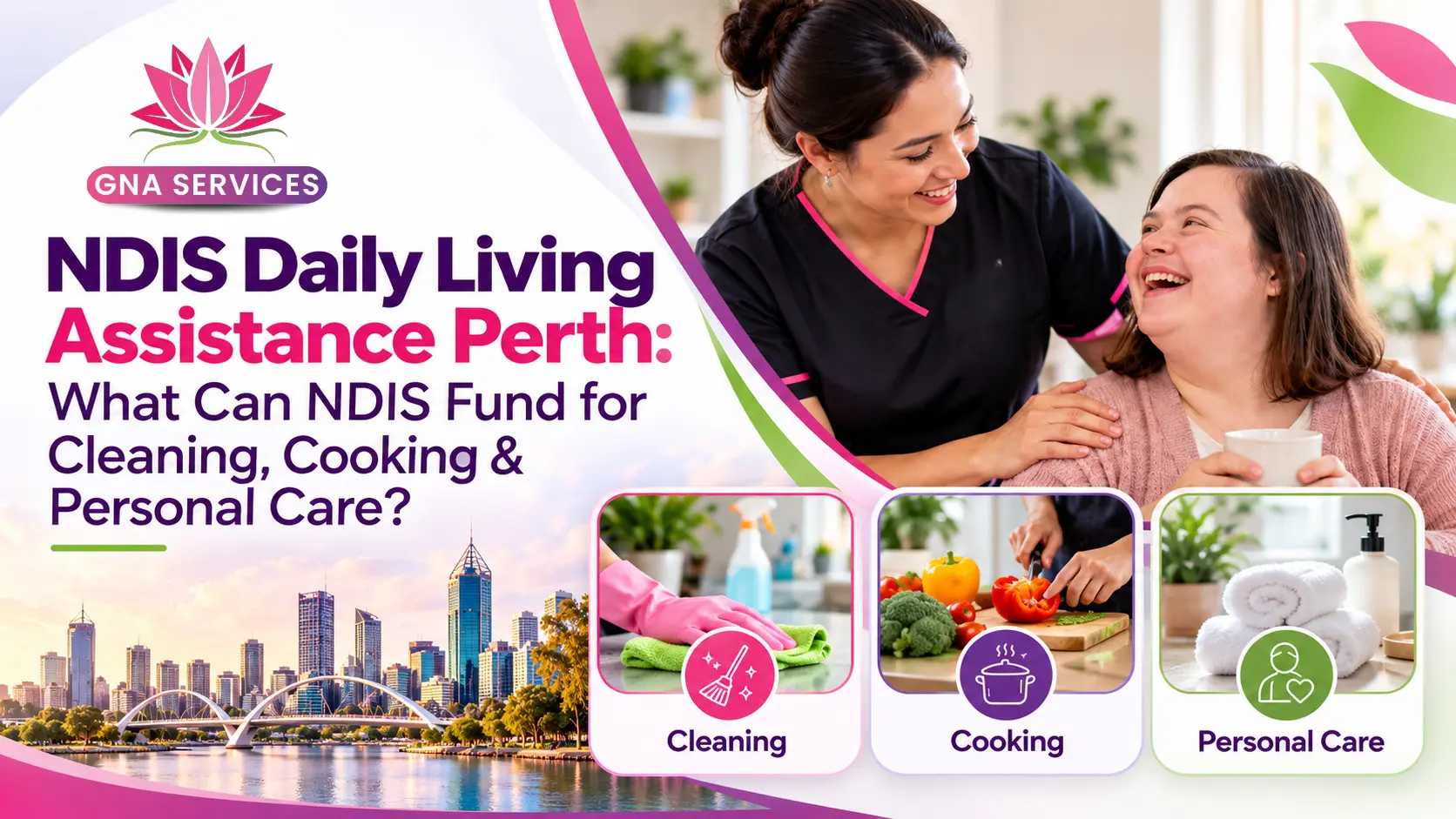
The NDIS describes SIL as support that can help with daily tasks such as personal care, preparing meals, cleaning, developing routines and building skills for greater independence. In some cases, supported independent living may include support or supervision across 24 hours where that level of assistance is required.
Who May Be Eligible for Supported Independent Living?
There is no single living arrangement that suits every NDIS participant. Supported independent living may be appropriate for people who have substantial disability-related support needs and require regular assistance or supervision at home.
SIL may suit participants who need a support worker available for significant periods throughout the day, including overnight support where required. However, the level and type of assistance will vary from person to person.
When considering home and living supports, the NDIS looks at the participant’s disability-related needs, goals, circumstances and whether the proposed support meets NDIS funding criteria. Other options may sometimes be more suitable, particularly for people who live alone, live with people who are not NDIS participants or prefer other support arrangements.
Therefore, participants should discuss their individual circumstances with their NDIS contact, support coordinator or relevant professional rather than assuming SIL is automatically the right option.
What Does Supported Independent Living Funding Cover?
Supported independent living funding is intended to pay for disability-related support delivered in the participant’s home. The exact supports depend on the person’s approved NDIS plan, assessed needs and service arrangements.
Eligible assistance may include:
- Personal care, including showering and dressing
- Cooking and meal preparation
- Cleaning and household tasks
- Developing daily routines
- Medication-related support
- Personal safety and supervision
- Implementing behaviour support strategies
- Building social and daily living skills
- Household budgeting or bill-paying activities where support is required
- Assistance related to certain community activities
A SIL provider may also support participants to develop practical abilities such as cooking, cleaning, maintaining routines and managing everyday household activities.
The purpose is not simply to complete every task for the participant. Where appropriate, support should help build skills, confidence and greater independence over time.
What Is Not Covered by SIL Funding?
A common question from participants and families is whether supported independent living pays for the home itself. Generally, it does not.
SIL funding does not usually cover ordinary day-to-day living expenses such as:
- Rent, board or lodging
- Groceries
- Electricity, gas and water bills
- Telephone or internet bills
- Vehicle expenses
- Holiday and travel expenses
- Other ordinary personal living costs
Participants are generally responsible for these expenses.
This is also why SIL should not be confused with Specialist Disability Accommodation. SIL funds eligible support services, while SDA relates to specially designed housing for eligible participants with extreme functional impairment or very high support needs.
Some participants may receive both SIL and SDA where each support is separately approved.
How Does Supported Independent Living Work Day to Day?
The way supported independent living works depends on each participant’s support needs, preferences, goals and household arrangement.
In many shared homes, participants may share a support worker at certain times while receiving individual assistance when required.
For example, a support worker may help one participant prepare breakfast, assist another with personal care, support residents with household routines and provide supervision throughout the day. Overnight support may also form part of an approved arrangement when required.
However, SIL should remain person-centred. Participants should be involved in decisions about their routines, goals, activities and how their supports are delivered.
A quality living arrangement should support participants to maintain choice and control rather than creating unnecessary dependence. Assistance should be responsive to the participant’s abilities, preferences and changing needs.
What Is the Role of a SIL Provider?
A SIL provider delivers the day-to-day disability supports agreed with the participant. This may include personal care, household assistance, skill development, supervision, medication support and other approved disability-related assistance within the home.
The provider should understand the participant’s:
- Personal goals
- Communication needs
- Daily routines
- Support requirements
- Preferences and interests
- Cultural needs
- Safety considerations
- Desired level of independence
A clear service agreement should also explain what supports will be delivered, how they will be provided, responsibilities, claiming arrangements and other important service details.
Participants and families should also check whether a provider meets current NDIS registration requirements and other relevant quality and safeguarding standards before making a decision.
How Is Supported Independent Living Funding Decided?
Funding for supported independent living is based on a participant’s disability-related support needs rather than simply the type of house they live in.
As a result, the amount and structure of support can differ considerably between participants.
The NDIS may consider the regular support a participant requires during a typical week, as well as approved arrangements for unexpected or irregular needs. Depending on the situation, funded support may involve shared assistance, individual assistance or a combination of both.
For example, several participants living together may share the assistance of one support worker during certain periods. At other times, a participant may require individual support because of their specific disability-related needs.
Because every NDIS plan is individual, participants should refer to their current plan and seek clarification from their NDIS contact, support coordinator or relevant professional before making decisions about home and living supports.
Supported Independent Living vs SDA: What Is the Difference?
Although the terms are often discussed together, supported independent living and Specialist Disability Accommodation serve different purposes.
SIL focuses on support. It funds eligible support workers and assistance that help a participant manage everyday life safely and independently.
SDA focuses on housing. It provides specially designed or modified housing for eligible participants with extreme functional impairment or very high support needs.
A person may therefore live in an SDA property while receiving SIL supports. However, eligibility for one does not automatically mean eligibility for the other.
Understanding this distinction is particularly important when participants and families compare NDIS accommodation options.
Can You Live Alone With Supported Independent Living?
In some circumstances, supported independent living can be funded for a participant who lives alone. However, other home and living supports may sometimes be more appropriate depending on the participant’s needs, preferences and circumstances.
Therefore, it is important to focus on the participant’s actual disability support needs rather than assuming SIL is always the most appropriate option.
For some people, shared SIL may provide the right combination of support, social connection and independence. For others, another NDIS home and living arrangement may provide greater flexibility.
The most suitable option should support the participant’s safety, independence, choice and personal goals.
What Are the Benefits of Supported Independent Living?
For an eligible participant, supported independent living can provide more than help with everyday tasks. A well-planned SIL arrangement can create opportunities to build confidence and participate more actively in everyday life.
Potential benefits include:
- Greater independence at home
- Assistance with personal care and daily activities
- Support with meal preparation and household tasks
- Help developing practical living skills
- Regular routines and appropriate supervision
- Increased confidence in everyday decision-making
- Opportunities for social interaction
- Support to participate in the community
- A safer living environment
- Assistance that can adapt as individual needs change
Importantly, the value of SIL depends on whether the support arrangement genuinely reflects the participant’s needs and goals.
How to Choose the Right SIL Provider?
Choosing a SIL provider is an important decision because support workers may be involved in many areas of everyday life.
Participants and families should look beyond accommodation availability and consider the quality, flexibility and suitability of the support itself.
Before choosing a provider, consider asking:
- Is the provider appropriately registered?
- How are individual support plans developed?
- Is support available overnight if required?
- How are support workers selected and trained?
- How are housemates matched?
- What happens when a participant’s needs change?
- How does the provider manage incidents or complaints?
- How does the service encourage independence?
- What does the service agreement include?
- Are current vacancies suitable for the participant’s needs?
- How does the provider support community participation?
Most importantly, participants should feel heard and included in decisions.
Good SIL support should respect dignity, privacy, cultural preferences, communication needs and the participant’s right to make choices about their own life.
Supported Independent Living in Western Australia and New South Wales
For participants searching for supported independent living in Western Australia or New South Wales, location is only one part of the decision.
The right home should also align with accessibility requirements, support needs, preferred lifestyle, community connections and compatible household arrangements.
Participants may search for SIL accommodation in Perth, regional Western Australia, Sydney, Parramatta and other areas across NSW.
When comparing options, it can be helpful to consider proximity to:
- Family and informal supports
- Medical and health services
- Therapy providers
- Public transport
- Work or education
- Shops and everyday amenities
- Recreation
- Community activities
Guardian Nursing Agency, also known as GNA Services, provides NDIS accommodation and SIL support options across Western Australia and New South Wales.
GNA Services focuses on personalised support, independence, suitable living arrangements and assistance that reflects each participant’s individual needs and goals.
Is Supported Independent Living Right for You?
Supported independent living can provide valuable day-to-day assistance for NDIS participants who require significant support at home.
However, the right arrangement should always be based on individual needs, goals, preferences and the supports approved within the participant’s NDIS plan.
Before choosing a home or provider, consider the level of assistance required, whether supports will be shared, overnight needs, accessibility, household compatibility and how the provider will help the participant build independence.
Participants and families should also compare SIL with other NDIS home and living options where appropriate.
Taking time to understand the differences can help create a living arrangement that is safe, respectful, sustainable and aligned with the participant’s goals.
Looking for a trusted SIL provider in Western Australia or New South Wales? Guardian Nursing Agency, also known as GNA Services, can discuss your NDIS support needs, preferred location and suitable accommodation options. Our team focuses on person-centred support that helps participants build skills, maintain independence and feel comfortable in their home and community. Contact us to learn more about supported independent living, SIL accommodation options and how our team can support your NDIS goals across Western Australia & New South Wales.