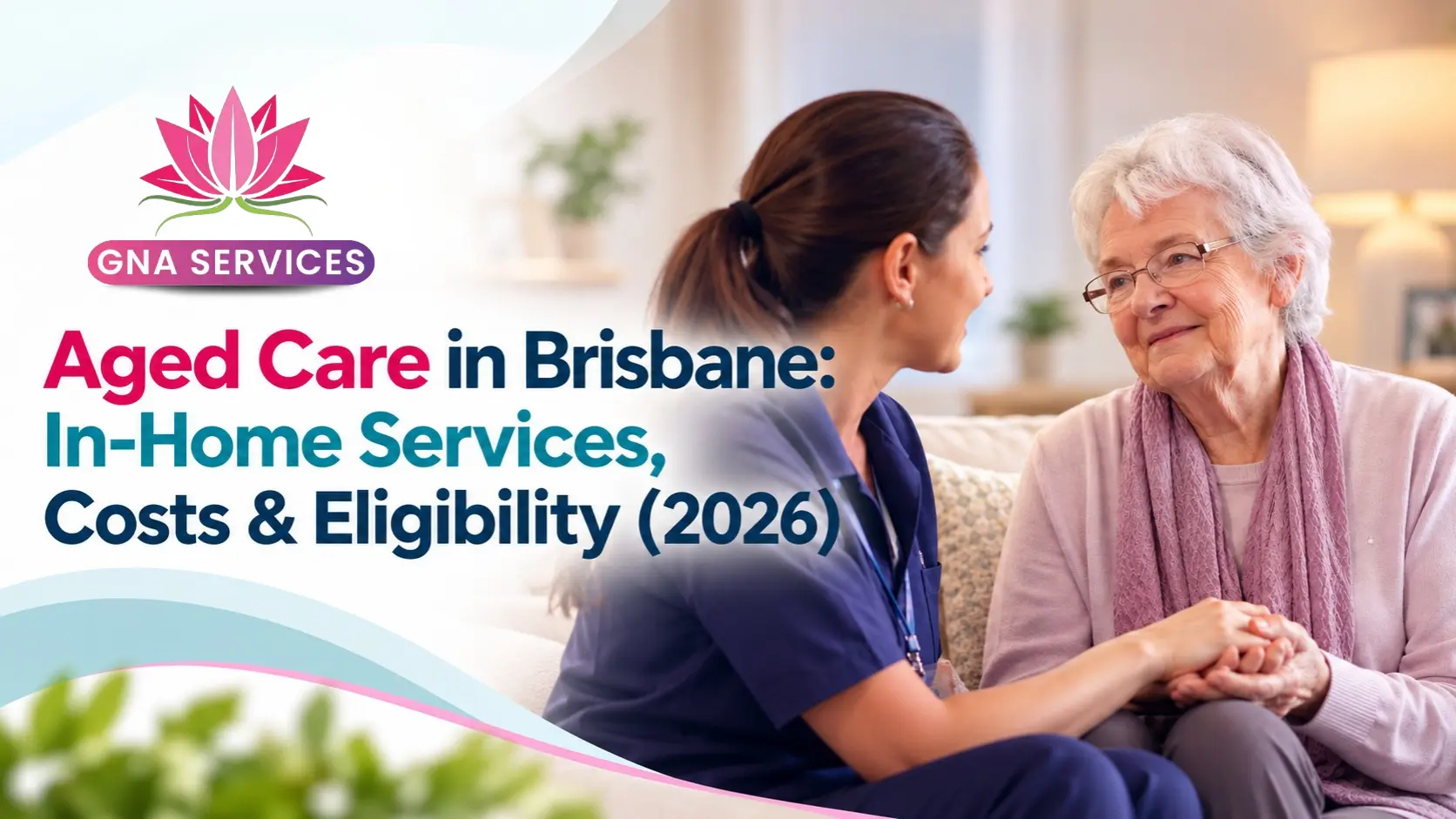
Finding the right aged care in Brisbane can feel overwhelming when you are arranging support for yourself, a parent or someone you care for. Whether the priority is safer showering, help around the house or nursing visits, understanding your options makes decisions easier. A suitable aged care service provider should listen to your goals, explain costs clearly and help you maintain independence at home. This 2026 guide explains the services, government programs, eligibility rules and practical steps Brisbane families need to know.
What Is In-Home Aged Care in Brisbane?
In-home aged care means receiving practical or clinical support while continuing to live in your own home, rather than moving into a residential aged care facility. Support might involve one visit a week for shopping or cleaning, or a coordinated mix of personal care, nursing and respite as needs increase. The aim is not to take over everyday life; it is to help older people stay safe, connected and in control of their routines.
For families exploring aged care in Brisbane, the right starting point is the person's current needs. Someone living independently in Chermside may only need occasional household help, while a person in Sunnybank recovering from illness may need more regular assistance. Availability and suitability depend on assessments, funding and the providers covering each suburb.
What In-Home Aged Care Services Are Available in Brisbane?
The range of aged care in Brisbane includes everyday household help, personal support and, where clinically appropriate, services delivered by qualified health professionals. Services available through government programs depend on what is approved in an assessment and support plan; private care may offer different arrangements.
Personal Care and Daily Living Assistance
Personal care can include help with showering, dressing, grooming, toileting, eating and non-clinical continence needs. Respectful support should protect privacy and encourage the person to do whatever they can comfortably manage. For families arranging aged care in Brisbane, a familiar routine and consistent support workers can make these personal tasks more comfortable.
This may be particularly useful if reduced mobility or fatigue makes mornings and evenings difficult.
In-Home Nursing and Clinical Support
Depending on assessed needs and a provider's clinical capacity, nursing services may involve wound care, continence assessment, monitoring health concerns and other appropriate nursing interventions. Allied health supports, including occupational therapy or physiotherapy, may also be available through an approved care plan.
Nursing is not interchangeable with general domestic or personal care; ask who is qualified to perform each task. When comparing aged care in Brisbane, confirm that clinical services are actually available in your suburb.
Domestic Assistance, Meals and Home Maintenance
Domestic assistance may cover light cleaning, laundry, shopping and meal preparation. Some programs can also support essential gardening or minor home maintenance that helps someone remain safe at home.
Because not every household task is funded, check the approved service list before assuming a provider can charge it to your care budget. For many households, this is the first type of aged care in Brisbane they consider.
Transport, Social Connection and Respite
Other supports can include transport to appointments, assistance with community activities and respite that gives an unpaid carer time to rest.
Respite arrangements vary by program and provider. When discussing aged care in Brisbane, ask how carers can access planned breaks and how respite availability is assessed. For people who have gradually stopped leaving home, these services can support participation as well as day-to-day wellbeing.
Government-Funded Aged Care in Brisbane: CHSP or Support at Home?
Two major pathways help eligible older Australians access subsidised services at home. Understanding the difference is important because aged care in Brisbane is not funded through one single package or at one fixed price.
Commonwealth Home Support Program (CHSP)
The Commonwealth Home Support Program (CHSP) is generally designed for people who need entry-level help with a smaller number of daily tasks.
An assessment might approve assistance with cleaning, meals, transport or other practical needs. CHSP clients usually make an affordable contribution towards services, rather than paying their full cost. The amount varies by provider and the service received.
Support at Home Program
Support at Home began on 1 November 2025 and replaced the Home Care Packages Program and Short-Term Restorative Care Programme.
It is designed for people who need a more coordinated mix of services or more complex support. Following assessment, eligible participants receive an ongoing funding classification and quarterly budget for approved services. There are eight ongoing classifications, with different funding levels based on assessed needs.
CHSP continues as a separate program in 2026 and is not scheduled to join Support at Home before 1 July 2027.
The assessment process, rather than personal preference alone, determines which program is appropriate. Families researching aged care in Brisbane should therefore focus first on needs and eligibility, not a particular package name.
Who Is Eligible for Government-Funded Aged Care in Brisbane?
In most cases, applicants must have care needs and be aged 65 or older. Aboriginal and Torres Strait Islander people can qualify for assessment from 50, as can people aged 50 or older who are homeless or at risk of homelessness.
Age alone does not automatically guarantee services; an aged care assessment considers what assistance you need and which program suits your situation. Accessing aged care in Brisbane follows national eligibility rules, not a separate Queensland age threshold.
You do not have to wait until living at home becomes unsafe. If cooking, managing personal hygiene, shopping or getting to appointments is becoming difficult, you can explore aged care in Brisbane before difficulties become a crisis.
Families and carers can help with applications, with appropriate consent and supporter arrangements.
How Much Does In-Home Aged Care in Brisbane Cost in 2026?
There is no universal weekly or hourly price for aged care in Brisbane. Your costs depend on the funding program, service prices, care needs and, for some supports, assessed income and assets.
Providers publish their Support at Home prices, so compare what is included before signing an agreement.
CHSP Contributions and Private Care Fees
CHSP is subsidised, but participants are generally asked to contribute towards the services they receive. Providers must explain their contribution policies, and assistance is available for people who cannot afford the requested contribution.
With private in-home care, fees are agreed directly with the provider and are not automatically covered by government funding. Ask about minimum visit lengths, weekend charges, travel and cancellation rules. Comparing the total cost of aged care in Brisbane is more useful than focusing on one hourly price.
Support at Home Contributions in October 2026
For approved Support at Home services, contribution rules depend on the service category:
- Clinical supports: No participant contribution for approved clinical services, such as nursing.
- Personal care: From 1 October 2026, no participant contribution where personal care is approved in the support plan and sufficient Support at Home funds are available.
- Independence services: Contributions may apply for services such as transport and support to attend appointments.
- Everyday living: Cleaning and gardening generally attract higher contribution rates.
For example, under the standard arrangements, a full Age Pension recipient pays 5% towards independence services and 17.5% towards everyday living services, while clinical supports attract 0%.
Other contribution rates depend on income and assets, and some people approved for Home Care Packages on or before 12 September 2024 are protected by no worse off arrangements.
These percentages are not a provider's hourly prices: they are the participant's share of an approved service cost.
Current Support at Home classifications have annual budgets ranging from approximately $11,032 to $80,294 (rates current from 1 October 2026).
These figures are funding allocations, not cash paid to participants, and include care-management funding. Actual available services depend on your assessment, budget and agreed provider prices.
For an estimate, use the My Aged Care Support at Home fee estimator.
How to Apply for Aged Care in Brisbane Through My Aged Care?
For government-subsidised aged care in Brisbane, start with My Aged Care. The assessment itself is free, and the process helps establish whether CHSP, Support at Home or another care option matches your needs.
- Check eligibility: Apply online through My Aged Care or phone 1800 200 422. Explain where everyday tasks are becoming difficult.
- Complete an assessment: An assessment organisation contacts you to arrange a suitable appointment, often at home. Discuss your health, living arrangements, safety, preferences and support from family.
- Review your outcome: If approved, you receive a decision and support plan identifying eligible services. Support at Home decisions may also specify a funding classification and priority.
- Compare local providers: Check their registration, service areas, published prices, experience and ability to deliver your approved supports.
- Agree on a care plan: Confirm visit times, responsibilities, costs, changes and who to contact if something is not working.
Assessment approval does not always mean services begin immediately. Aged care in Brisbane can involve waiting for funding or an available local provider.
Tell My Aged Care if your circumstances become urgent or your needs change; you can also ask about suitable short-term or privately funded support.
Choosing an Aged Care Service Provider in Brisbane
Choosing an aged care service provider is about more than finding the lowest advertised rate. Ask whether the organisation provides the particular care approved, covers your suburb and has staff with suitable training.
For nursing, confirm the professional qualifications required for your clinical needs. If continuity matters, discuss how changes of worker or missed visits are managed.
Families comparing aged care in Brisbane should also ask for clear service agreements and itemised prices. Check whether travel or administration is included, how complaints are handled and what happens if care needs increase.
The My Aged Care provider finder can help compare registered providers, including published pricing and compliance information.
Location matters, too. Someone in Indooroopilly may have different provider availability from a family in Aspley, Mount Gravatt, West End or outer Greater Brisbane.
Check the suburb and actual service type rather than assuming an organisation advertising across Queensland can deliver every funded program at your address.
Why Planning Early Makes Home Care Easier?
Many older people prefer their familiar neighbourhood, pets, garden and daily routines. Beginning conversations before a crisis can make aged care in Brisbane feel less daunting and give families time to compare options.
A practical first step is to write down which tasks are becoming harder, how often help might be useful, and what the older person wants to keep doing independently.
For example, a family might notice that their parent has stopped cooking because standing is painful. Meal preparation support could help, but a review of mobility, nutrition and home safety may reveal other needs.
Good care planning looks at the whole person rather than immediately prescribing the same services for everyone.
Finding an aged care provider in Brisbane starts with understanding what matters most to you or your family member. Guardian Nursing Agency, also known as GNA Services, supports conversations about personal care, nursing, domestic assistance and other home support options, with an emphasis on dignity, independence and individual needs. As an aged care service provider, Guardian Nursing Agency welcome enquiries about your circumstances and can discuss service availability in your Brisbane suburb. For government-funded services, eligibility and Queensland program coverage must be confirmed through My Aged Care and the relevant provider arrangements. Contact us to explore your next steps without pressure.