13-Mar-2026
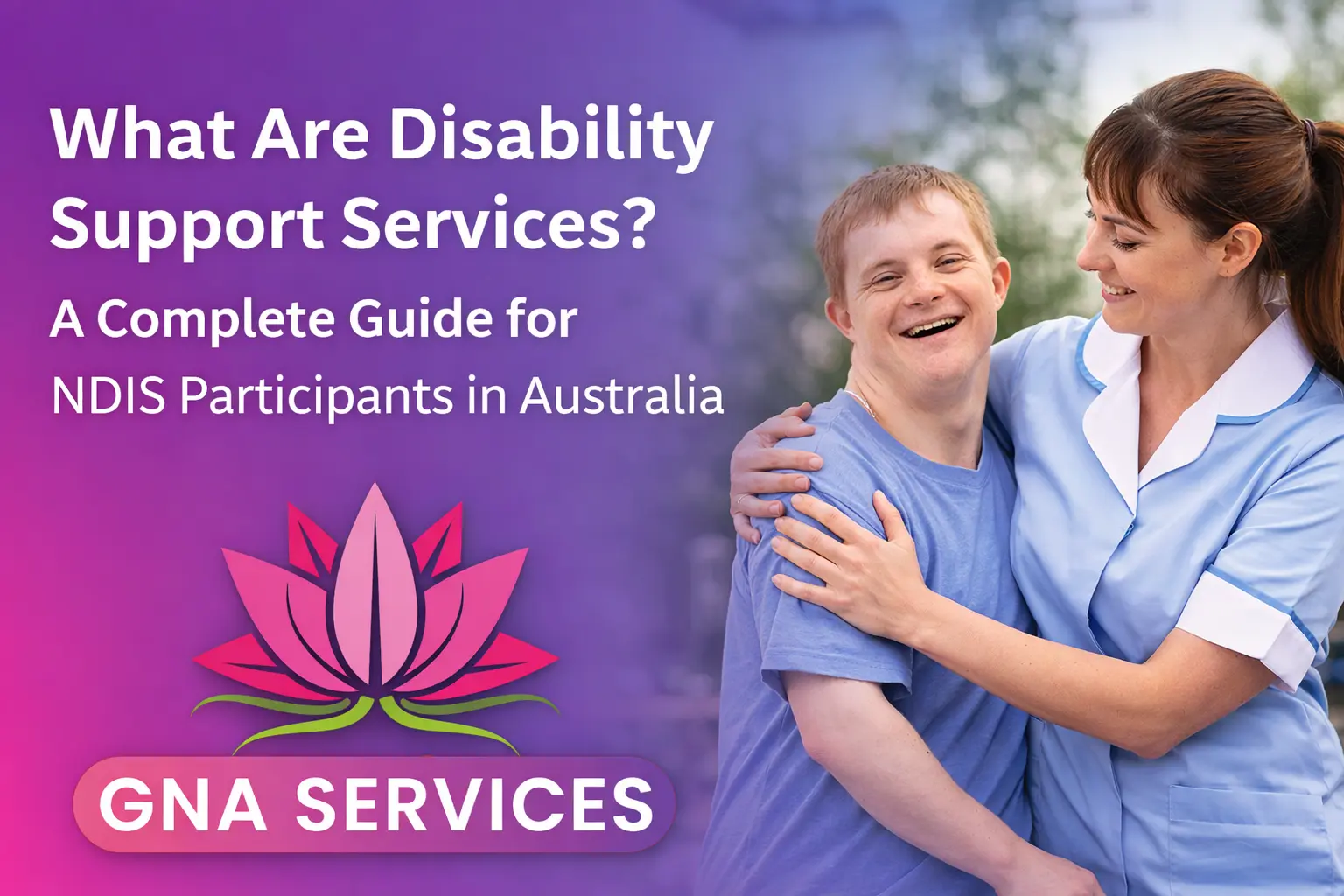
What Are Disability Support Services? A Complete Guide for NDIS Participants in Australia
Understanding disability support services in Australia is essential for individuals and families navigating the NDIS. At GNA Services, we provide personalised care through our professional NDIS Support Services, helping participants achieve greater independence and improve their quality of life.
Australia’s care system provides a wide range of support to help people with disabilities live safely, confidently, and independently. Through structured Community Care Services, individuals can receive personalised assistance in their homes and communities. Among these supports, disability support services play a central role for participants of the National Disability Insurance Scheme (NDIS). These services help people manage daily activities, participate in social life, and achieve personal goals while maintaining independence.
Understanding how disability support services work is important for NDIS participants and their families. This guide explains what these services include, how they support independent living, and how to access them across Australia.
What Are Disability Support Services?
Disability support services refer to professional assistance designed to help individuals with disabilities manage everyday life and participate actively in their communities. These services may include personal care, mobility support, household assistance, and community participation.
In Australia, many of these supports are funded through the NDIS. The goal is to empower participants so they can live independently while receiving the right level of care and guidance. Support workers, nurses, and care professionals work together to ensure participants receive personalised care based on their individual needs.
Importantly, disability support services are not limited to medical care. Instead, they focus on improving overall well-being, independence, and quality of life. With the right support structure in place, participants can pursue education, employment, and social activities with confidence.
How Disability Support Services Help People Live Independently?
One of the main goals of disability support services is to help individuals live as independently as possible. Rather than relying solely on family members or institutions, participants can receive assistance tailored to their lifestyle and personal goals.
These services may include help with daily living tasks such as bathing, dressing, meal preparation, and medication reminders. In addition, support workers often assist with transportation, community engagement, and social participation.
Because every participant’s situation is unique, support plans are personalised. As a result, individuals receive the right level of assistance without losing their independence. This approach promotes dignity, self-confidence, and long-term well-being.
Types of Disability Support Services Available Through the NDIS
The NDIS funds a variety of disability support services designed to address different needs. Participants may receive one or several types of support depending on their individual plan.
Personal Care and Daily Living Assistance
Personal care services help participants manage essential daily activities. These may include bathing, grooming, dressing, mobility support, and medication management. Assistance with daily living ensures participants can maintain comfort and safety at home.
Social and Community Participation
Community engagement is an important part of wellbeing. Disability support services often include assistance with social activities, recreational programs, and community events. This support helps individuals build relationships and stay connected to their communities.
Household and Domestic Support
Many participants require help maintaining a safe and organised home environment. Domestic assistance may include cleaning, laundry, meal preparation, and grocery shopping. These supports allow individuals to focus on personal goals while ensuring their living space remains comfortable.
Transport and Mobility Assistance
Transportation support enables participants to attend appointments, work, education programs, and community activities. Reliable transport services help remove barriers that may otherwise limit independence.
Supported Independent Living (SIL)
Supported Independent Living provides structured support for individuals who require more consistent assistance. Participants live in shared or individual housing while receiving daily support from trained professionals.
For individuals and families seeking personalised care at home, choosing reliable Aged Care Services can make a significant difference in ensuring consistent, high-quality support tailored to individual needs and lifestyles.
The Role of Disability Support Workers
A key part of effective disability support services is the role of trained support workers. These professionals assist participants in achieving their personal goals while providing compassionate care.
Support workers often help with daily routines, encourage skill development, and support community participation. Additionally, they work closely with families and healthcare professionals to ensure consistent care.
Through ongoing communication and understanding, support workers build strong relationships with participants. This collaboration allows support plans to evolve as individual needs change over time.
How to Access Disability Support Services Through the NDIS?
Accessing disability support services typically begins with NDIS eligibility and planning. Once approved for the NDIS, participants meet with planners or support coordinators to discuss their goals and support needs.
During this process, a personalised NDIS plan is created. The plan outlines the types of support that will help the participant achieve greater independence and well-being.
After receiving an approved plan, participants can choose registered providers to deliver their services. This flexibility allows individuals to select providers that align with their needs and preferences.
Benefits of Community-Based Disability Support
Community-based disability support services offer several important benefits for participants and families. First, they promote independence by providing support in familiar environments. Individuals can remain in their homes and communities rather than relocating to institutional care.
Second, these services encourage social inclusion. Participants can join local activities, build friendships, and stay connected with their communities.
Finally, community-based support improves overall quality of life. With personalised assistance, individuals gain confidence, develop new skills, and pursue meaningful opportunities.
Choosing the Right Disability Support Services Provider
Selecting a reliable provider is essential for receiving quality care. When evaluating disability support services, participants should consider several factors.
Experience and training are important indicators of quality care. Providers should employ skilled professionals who understand the needs of NDIS participants. Additionally, personalised care planning ensures each individual receives tailored support.
Communication is another important factor. Providers who maintain open and transparent communication help build trust with participants and families. Clear support plans, responsive service, and ongoing collaboration contribute to positive outcomes.
How Guardian Nursing Agency Provides Disability Support Services in Western Australia & NSW?
Access to reliable care can make a significant difference in the lives of NDIS participants. Guardian Nursing Agency delivers professional disability support services designed to promote independence, safety, and well-being across Western Australia and New South Wales. Through personalised care planning, trained support workers assist participants with daily living, community engagement, and independent living support. These services are delivered with compassion and professionalism, ensuring participants receive assistance that aligns with their personal goals.
By integrating Community Care Services with flexible NDIS support options, individuals and families can access dependable care that helps them live confidently within their communities. Reach out to Guardian Nursing Agency to connect with experienced support professionals and start building a care plan tailored to your needs.
Related Articles:
NDIS Support Providers in Perth: Everything Participants Need to Know in 2026
Supported Independent Living NDIS vs SDA: Understanding the Key Differences
NDIS Services Perth: How Support Workers Improve Daily Living for NDIS Participants?
Complete Guide to Aged Care in Sydney: Eligibility, Services & How It Works? (2026)
Aged Care in Melbourne: How to Choose a Reliable Provider & Get the Best Support (2026)